
Choosing a couples counselling service can feel more difficult than expected. You may come across different approaches, varying price points, and a wide range of opinions about what works. With so much information available, it is not always clear how to judge what is genuinely helpful and what simply sounds convincing.
In practice, recognising the best couples counselling Dublin offers is less about comparing services on the surface and more about understanding how the process actually works for you. The most reliable indicators tend to emerge through your experience of the sessions and how both partners are supported over time.
What Should You Expect from the Best Couples Counselling Dublin Offers?
The best provider of couples counselling in Dublin is not defined by popularity or visibility. It is better understood through how well the process fits your relationship and how clearly it is guided.
It can be tempting to rely on reviews or recommendations when making a decision. While these can be useful, they rarely capture the full picture. Every relationship brings its own dynamics and challenges. As such, what works well for one couple may not translate in the same way for another.
A more useful way to think about “best” is in terms of fit. This includes how comfortable you feel engaging in the process and whether the work reflects your specific situation rather than a generalised model. When these elements are present, the counselling process tends to feel more grounded and relevant.
How Should the First Few Couples Counselling Sessions Feel?
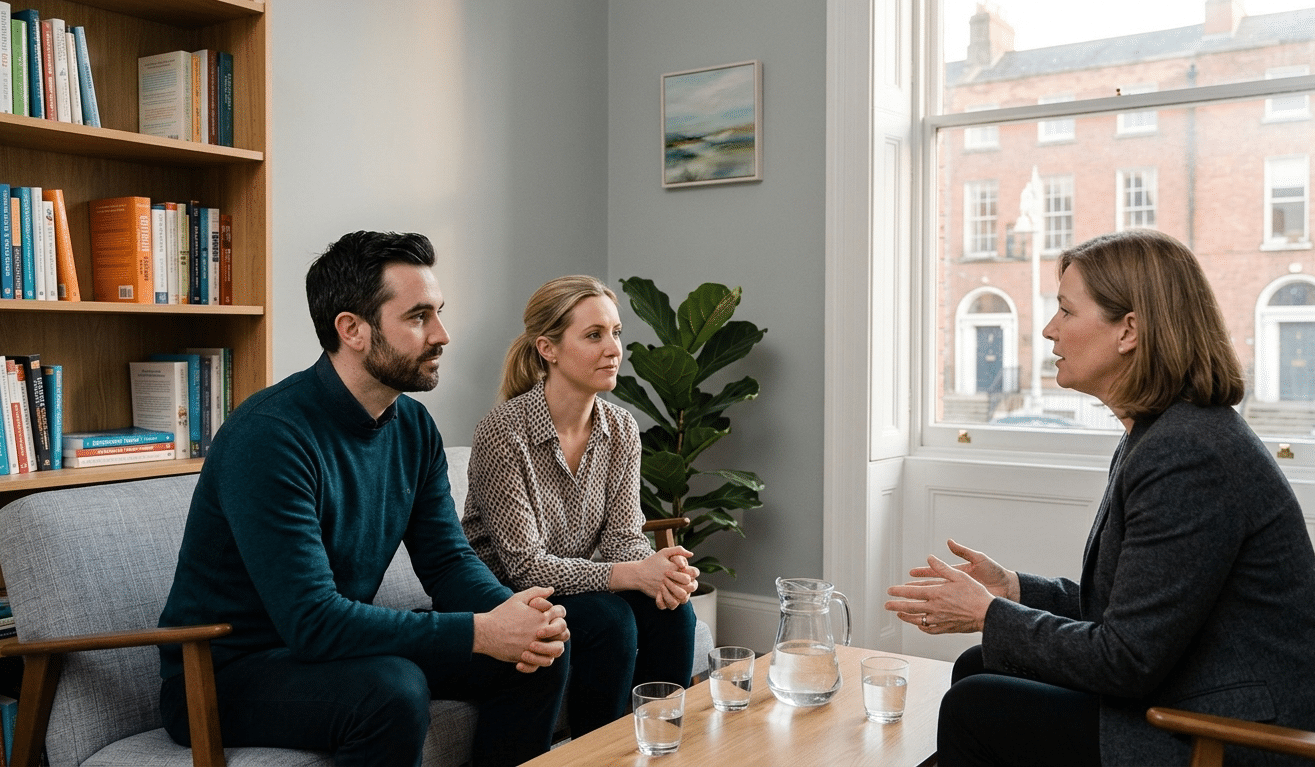
One of the first ways you begin to recognise good couples counselling in Dublin is through how the early sessions feel. The first few sessions should feel guided and emotionally safe, even if they are challenging. You may not feel immediate relief, but there should be a sense that the conversation is moving with care and purpose.
It is normal for early sessions to bring up difficult emotions. However, there is a difference between productive discomfort and feeling overwhelmed or dismissed. Productive discomfort often comes with a sense that important issues are being approached in a thoughtful way. On the other hand, feeling dismissed can create uncertainty about whether the process is working.
You may also begin to notice how the relationship counsellor manages the conversation. A well-guided session does not feel chaotic or one-sided. Instead, it allows both partners to express themselves while maintaining a sense of direction. These early signals often provide the first indication of whether the counselling process is likely to be effective.
How Do You Know If Both Partners Are Being Heard in Counselling?
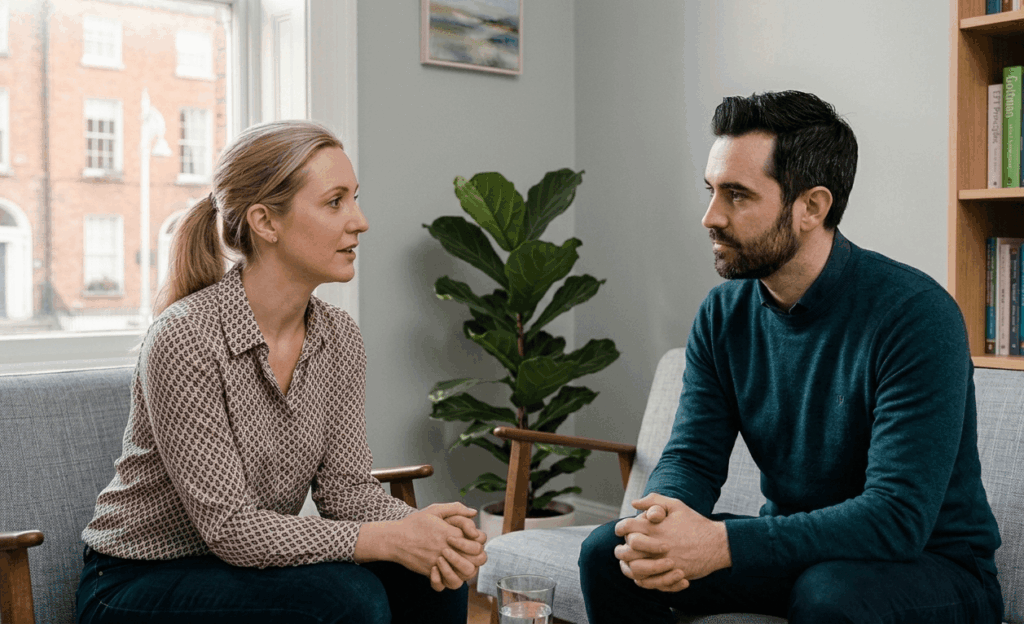
Another clear sign of effective couples counselling is that both partners have space to speak and feel acknowledged, even when their perspectives differ. Being heard does not mean being agreed with, but it does mean being understood.
Imbalance can sometimes show up subtly. One partner may dominate the conversation, or the focus may consistently return to one person’s concerns. Over time, this can limit the effectiveness of the process. A skilled counsellor helps manage this dynamic, ensuring that each person has the opportunity to contribute meaningfully.
This balance is important because it builds trust in the process. When both partners feel heard, they are more likely to engage openly and work collaboratively. Without that sense of fairness, it becomes difficult to make progress, regardless of the techniques being used.
Once that balance is in place, the next question becomes whether the process is actually moving forward.
Should Couples Therapy Have a Clear Direction?
Yes, it should have a clear sense of direction because this is often one of the ways you recognise whether counselling is working for you and your partner. While open conversation is important, sessions should not feel like unstructured discussions without purpose or progression.
There is a meaningful difference between venting and guided work. Venting can provide temporary relief, but it does not always lead to change. Meanwhile, guided work helps you explore patterns, understand underlying issues, and develop more constructive ways of communicating.
Direction does not mean rushing towards solutions. Instead, it involves a steady, thoughtful progression where each session builds on the last. You may begin to notice small shifts, such as increased awareness of how conflicts develop or a clearer understanding of each other’s perspectives. These subtle changes often indicate that the process is moving forward.
Do You Leave Sessions With Something to Reflect On Afterwards?
As the counselling process begins to move forward, you may also start to notice its effect beyond the sessions themselves. A useful sign that relationship counselling is working is that its influence continues outside the time you spend in the room.
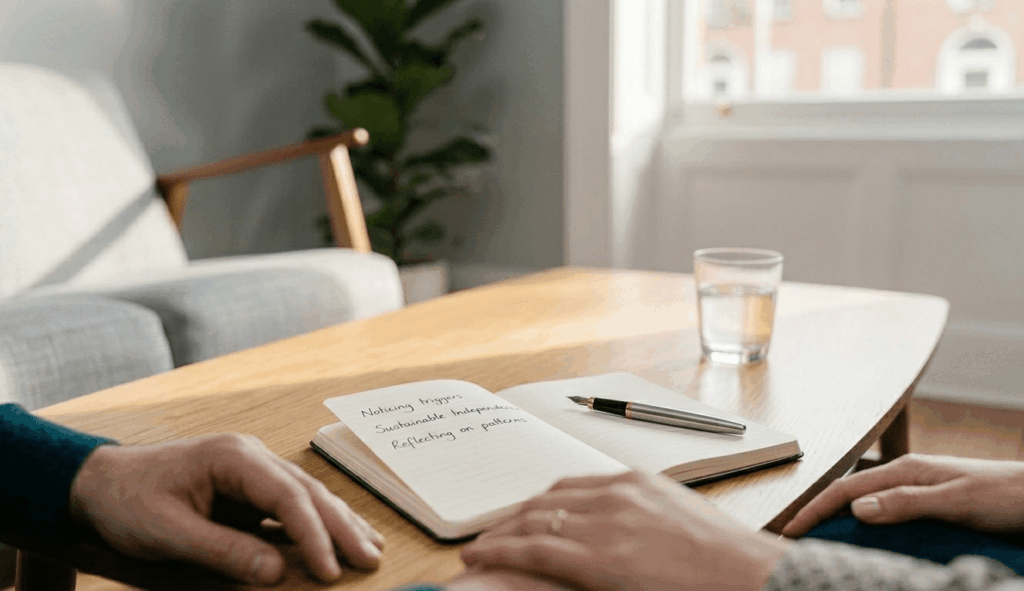
You may find yourself reflecting on conversations or noticing patterns that were not obvious before. These reflections are not always structured. Sometimes they appear as small shifts in awareness, such as recognising how certain reactions develop or how communication patterns repeat.
This matters because meaningful change rarely happens within a single session. It develops gradually through increased awareness and repeated adjustment. When you leave sessions with something to think about, it often indicates that the process is beginning to take effect.
What Professional Standards Should Couples Counselling Dublin Follow?
Alongside your experience in sessions, it is reasonable to consider the professional standards behind the counselling service. These standards can provide an additional layer of reassurance, particularly if you are unsure what to look for.
Many qualified counsellors in Ireland are accredited by organisations such as the Irish Association for Counselling and Psychotherapy. Accreditation typically involves meeting specific training requirements, adhering to ethical guidelines, and engaging in ongoing professional development.
You may also come across references to different therapeutic approaches used in couples counselling. Many qualified practitioners work within established frameworks that are supported by research. However, these approaches are only one part of the process, and their effectiveness often depends on how they are applied in practice.
Professional standards provide an important foundation when choosing a counselling service. They help confirm that a couples counsellor has met recognised requirements and is working within an ethical framework. However, your experience within the sessions remains equally important, as this is where the quality of the work becomes clear over time.
How Long Does Couples Counselling Take to Work?
Understanding how long change takes is an important part of knowing whether therapy is working for you. You have to remember that relationship counselling does not follow a fixed timeline. Progress varies depending on the nature of the issue and how both partners engage with the process. However, it should feel steady rather than stagnant.
It is natural to hope for quick improvements, especially when challenges feel urgent. But meaningful change tends to take time. Relationships are shaped by patterns that develop over months or years, and these patterns are unlikely to shift immediately.
Instead of looking for dramatic breakthroughs, it can be more helpful to notice gradual changes. These may include clearer communication or a better understanding of each other’s perspectives. Over time, these small changes can build into more significant progress.
Ultimately, setting realistic expectations can help you stay engaged with the process. When you understand that progress is gradual, it becomes easier to recognise and value the changes that are taking place.
What Makes the Best Couples Counselling Dublin Offers Different?
The difference is often found in the shift from managing individual conflicts to understanding the patterns behind them. While some approaches focus on resolving immediate disagreements, a more effective process helps you recognise the dynamics that cause those situations to repeat.
You may not leave every session feeling resolved. However, there is usually a sense that the work is moving forward in a meaningful way. Over time, the focus begins to shift from revisiting the same disagreements to developing a clearer understanding of how you relate to each other. This often leads to more constructive responses, even when challenges arise outside the sessions.
Another important distinction is how the process supports you beyond the counselling space. Rather than creating reliance on ongoing sessions, it helps you build the awareness and confidence to manage future challenges together. As this develops, the progress made during counselling becomes more visible in your day-to-day interactions.
Recognising the best couples counselling Dublin offers often comes down to noticing these shifts over time. It is less about a single outcome and more about how the process helps both partners respond differently in a way that feels sustainable.
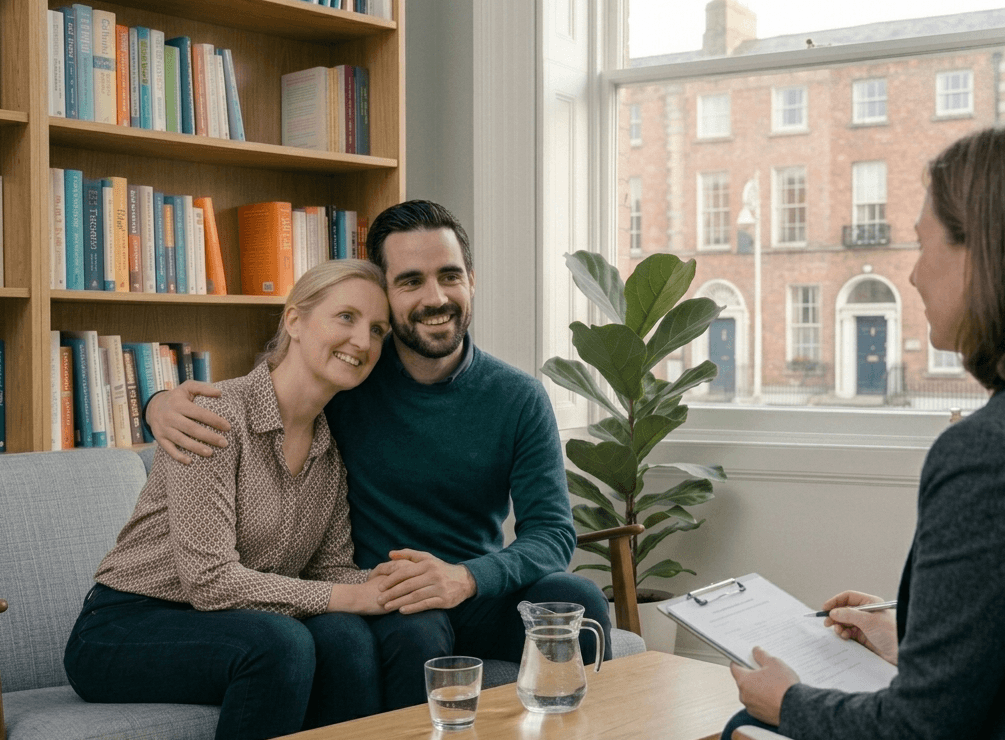
In conclusion, finding the right couples counselling service is not about identifying a perfect option. It is about knowing when a process feels structured, balanced, and genuinely supportive of your relationship.
The most reliable indicators are often found in your experience of the sessions, the way both partners are included, and the consistency of progress over time. Professional standards can provide reassurance, but they are only one part of the picture.
When you focus on how the counselling process works for you, rather than how it appears from the outside, it becomes easier to recognise whether you have found the right fit.
Are you still unsure whether you’ve found the best couples counselling Dublin offers? Speak with our qualified counsellor to better understand our process and what to expect. Contact us today on 015240708 or 014303631 to book your initial session.