
How Can PTSD Counselling in Dublin Help You Recover From Trauma Symptoms?
PTSD counselling in Dublin helps individuals safely process traumatic memories, reduce distressing symptoms, and rebuild a sense of safety in daily life. With structured therapeutic support, many people learn how to manage triggers, reduce anxiety responses, and gradually regain emotional stability following traumatic experiences.
Post-Traumatic Stress Disorder (PTSD) can develop after overwhelming or frightening events that disrupt a person’s sense of safety. Symptoms may appear immediately after trauma or develop gradually over time.
Counselling focuses on helping individuals feel safe again while developing practical tools that support recovery and emotional regulation.
PTSD Counselling Dublin can help you if:
Support is available through:
What Is PTSD and How Does It Affect Daily Life?
Post-Traumatic Stress Disorder (PTSD) is a condition that can develop after experiencing or witnessing traumatic events that overwhelm the nervous system. PTSD can affect emotional wellbeing, sleep, concentration, and daily functioning, often making everyday situations feel unpredictable or emotionally exhausting.
PTSD symptoms may include:
- Flashbacks or intrusive memories
- Nightmares
- Hypervigilance or feeling constantly alert
- Avoidance of reminders
- Emotional numbness
- Sudden anxiety responses
- Difficulty concentrating
- Irritability or anger
Recognising these symptoms helps individuals understand that their reactions are connected to trauma rather than personal weakness.
What Types of Trauma Are Most Likely to Lead to PTSD?
Post-Traumatic Stress Disorder (PTSD) most often develops after experiences involving intense fear, threat, or helplessness. While many people experience trauma, PTSD is more likely when the nervous system remains in a prolonged state of distress following the event.
Common trauma experiences linked to PTSD include:
- Serious accidents
- Physical or sexual assault
- Childhood abuse
- Military or emergency service trauma
- Witnessing violence
- Traumatic bereavement
- Medical trauma
Each person responds differently to trauma, and professional support helps determine the most appropriate recovery approach.
How Do PTSD Symptoms Continue Long After Trauma Has Passed?
PTSD symptoms often continue long after the traumatic event has ended because the brain remains in a heightened survival state. This prolonged response can cause intrusive memories, disrupted sleep, and emotional distress that may feel difficult to control without professional support.
PTSD-specific symptoms may include:
- Flashbacks
- Nightmares
- Hypervigilance
- Avoidance behaviours
- Emotional numbness
- Sudden panic responses
Understanding why symptoms persist helps reduce confusion and supports long-term recovery.
How Can PTSD Counselling Help Reduce Intrusive Memories and Triggers?
PTSD counselling helps individuals reduce the intensity of intrusive memories and develop practical strategies to manage emotional triggers. Through structured therapeutic techniques, many people learn how to respond calmly to reminders of trauma while gradually reducing distressing symptoms.
Counselling may help you:
- Identify trauma triggers
- Learn grounding techniques
- Reduce flashback intensity
- Improve emotional regulation
- Restore sleep patterns
- Build coping strategies
Recovery occurs gradually and at a pace that prioritises safety.
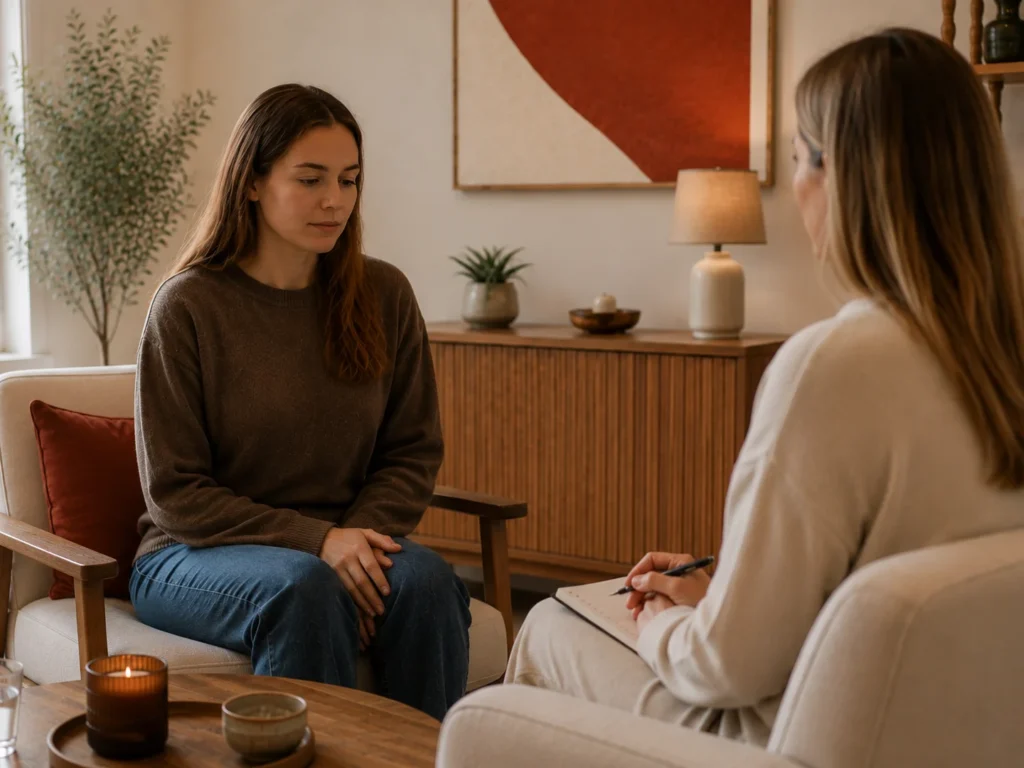
What Happens During PTSD Counselling Sessions?
PTSD counselling focuses specifically on helping individuals safely process traumatic memories, reduce intrusive symptoms, and regain emotional stability. Sessions are carefully paced to avoid overwhelm while helping the nervous system gradually relearn feelings of safety and control.
During counselling sessions, you may:
- Learn grounding techniques
- Identify trauma triggers
- Develop emotional regulation skills
- Reduce avoidance patterns
- Strengthen resilience
Therapy is designed to feel safe, predictable, and supportive throughout the recovery process.
Should You Choose In-Person or Online PTSD Counselling?
Choosing between in-person and online PTSD counselling depends on personal comfort, safety, and lifestyle factors. Both formats provide structured professional support, and many individuals benefit from choosing the environment where they feel most secure during trauma recovery.
How Does In-Person PTSD Counselling in Dublin Support Trauma Recovery?
In-person PTSD counselling provides a calm, structured environment where individuals can feel physically supported during therapy sessions. Many people find face-to-face sessions reassuring because they provide a stable setting that supports safety, emotional regulation, and consistent therapeutic progress.
How Does Online PTSD Counselling Across Ireland Support Trauma Recovery?
Online PTSD counselling allows individuals to attend therapy from familiar surroundings, which can reduce anxiety and increase feelings of safety. This option is particularly helpful for individuals who feel overwhelmed by travel or prefer receiving support within their own environment.
Still Unsure Which Option Is Right for You?
You don’t have to figure it out alone. We can help you decide whether in-person or online counselling is the best fit for your situation.
Why Choose Access Counselling for PTSD Counselling in Dublin?
Access Counselling provides trauma-informed support designed to help individuals manage PTSD symptoms safely and effectively. With experienced therapists and flexible session options, clients receive structured guidance tailored to their specific trauma history and emotional recovery goals.
You can expect:
- Trauma-informed counsellors
- Confidential therapeutic support
- Safe and structured sessions
- Flexible appointment availability
- In-person Dublin and online Ireland options
Professional support provides reassurance and stability during recovery.