

Low self-esteem does not always announce itself loudly. Often, it shows up quietly in how you speak to yourself. You may doubt your decisions more than you realise or find yourself putting other people’s needs ahead of your own. You might appear capable and composed on the outside while constantly questioning yourself on the inside, wondering why confidence feels so difficult to hold onto.
If this feels familiar, it may help to know that these experiences are far more common than they are talked about. Low self-esteem is not a personal flaw or something you simply need to “get over.” With the right support, it is possible to understand where these feelings come from and begin changing the patterns that keep holding you back. This is where self-esteem counselling Dublin services can play a meaningful role.
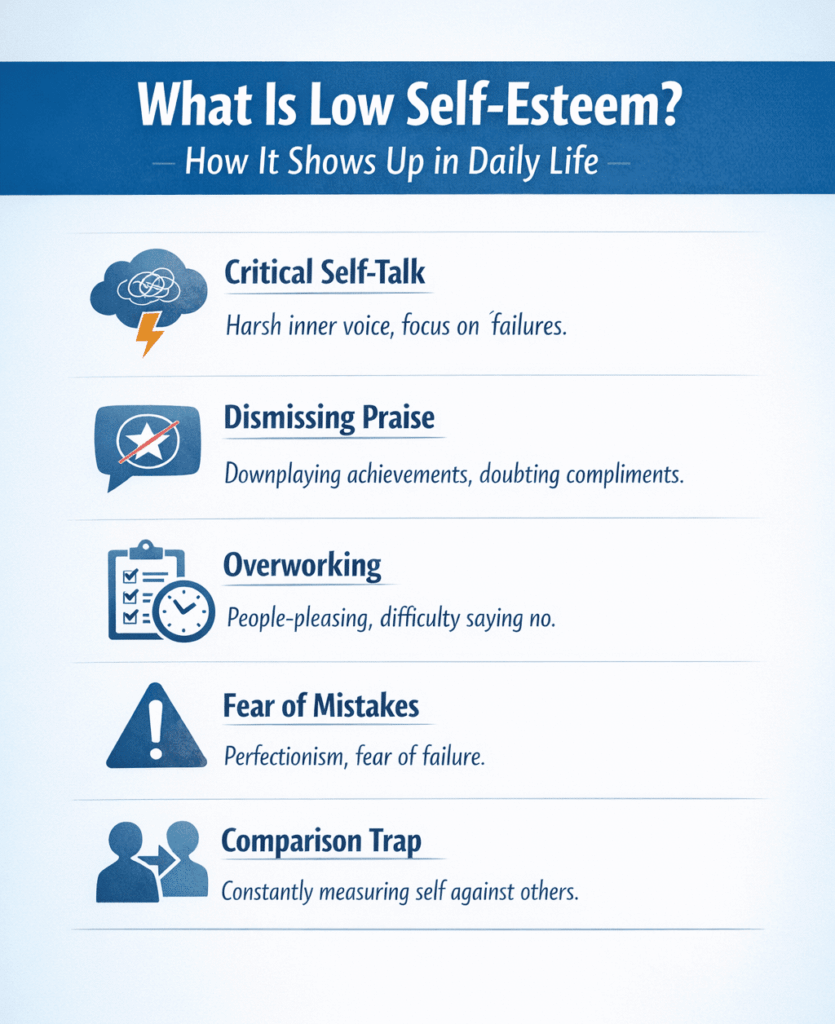
What Is Low Self-Esteem and How Does It Show Up in Daily Life?
Low self-esteem relates to how you see your own worth and abilities, but it is not always obvious or easy to identify. Many people assume it means feeling openly insecure or lacking confidence in every situation. In reality, it often exists alongside competence and outward success.
When self-doubt is present, your inner voice may become overly critical or quick to focus on perceived failures. You might dismiss positive feedback or question your achievements. Even when things go well, there can be a lingering sense that success was due to luck rather than ability, or that you are only as good as your most recent effort.
Low self-esteem does not always look like withdrawal or visible insecurity. In many cases, it shows up as over-functioning. You may be the person others rely on, the one who steps in to fix problems or rarely says no. While this can look like confidence or capability, it is often driven by a fear of letting people down or being seen as inadequate.
Over time, a fragile sense of self-worth can become closely tied to usefulness. When this happens, rest can feel uncomfortable and boundaries can feel selfish. Mistakes may feel threatening rather than normal, because your value feels dependent on what you do rather than who you are. This can create constant pressure to perform, even in relationships where support should feel mutual.
Difficulties with self-worth can also shape how you relate to comparison. When your sense of value feels unstable, it is easier to measure yourself against others and assume you are falling behind. This can distort how you see your own progress and make it difficult to take satisfaction in what you have achieved.
Importantly, low self-esteem is not about being weak or lacking insight. Many people who struggle with it are thoughtful, capable, and self-aware. The difficulty lies in how that awareness is directed inward. Without support, these patterns can continue to influence daily choices and relationships in ways that are hard to notice at first.
What Are the Common Myths About Self-Esteem Counselling?
One reason many people delay seeking support is the belief that counselling is only for those in crisis. In reality, counselling can be just as helpful for long-standing patterns like low self-esteem that quietly affect how you live and relate to others.
Another common myth is the idea that you should be able to fix low self-esteem on your own. While self-help tools can offer insight, low self-esteem often develops through repeated experiences and relationships. Expecting yourself to undo that alone can increase frustration when change feels slow. Counselling offers perspective and support without judgement.
A further misconception is that counselling involves being told what to think or how to feel. In practice, counselling is not about advice or instruction. It is a collaborative process that helps you understand your own experiences more clearly and develop ways of relating to yourself that feel more balanced and sustainable.
Is Low Self-Esteem Linked to Anxiety, Stress, or Depression?
Low self-esteem often sits beneath emotional difficulties such as anxiety or ongoing stress. When you constantly question your worth or fear getting things wrong, your mind can remain on high alert. Everyday situations may begin to feel more pressurised than they need to be.
Over time, this internal tension can lead to persistent worry or difficulty switching off. You may find yourself anticipating problems or replaying interactions long after they have passed. This kind of mental strain can be exhausting and affect your overall sense of wellbeing.
Low self-esteem can also influence low mood. When self-criticism becomes familiar, it can drain motivation and energy. While low self-esteem is not the same as depression, it can contribute to the emotional environment in which it develops. Addressing self-esteem can help reduce this background pressure, even when life remains challenging.
What Causes Low Self-Esteem in Adults?
Low self-esteem rarely develops from a single event. For most people, it forms gradually through repeated experiences that shape how they learn to see themselves. Early environments where criticism was frequent or emotional needs were overlooked often play a role.
Growing up in these settings can lead to deeply held beliefs about worth and acceptance. You may come to feel that approval must be earned or that mistakes reduce your value. Even when early circumstances change, these beliefs can continue to influence how you respond to challenges in adulthood.
Adult experiences can reinforce these patterns. Relationship difficulties or pressure at work may trigger self-doubt, particularly if you already tend to be hard on yourself. Over time, these moments can strengthen existing habits of self-criticism.
Understanding the origins of low self-esteem is not about assigning blame to the past. It is about recognising that self-beliefs develop for understandable reasons. Once those reasons are understood, they can be questioned and reshaped, creating space for a more compassionate relationship with yourself.
How Can Self-Esteem Counselling Dublin Services Help?
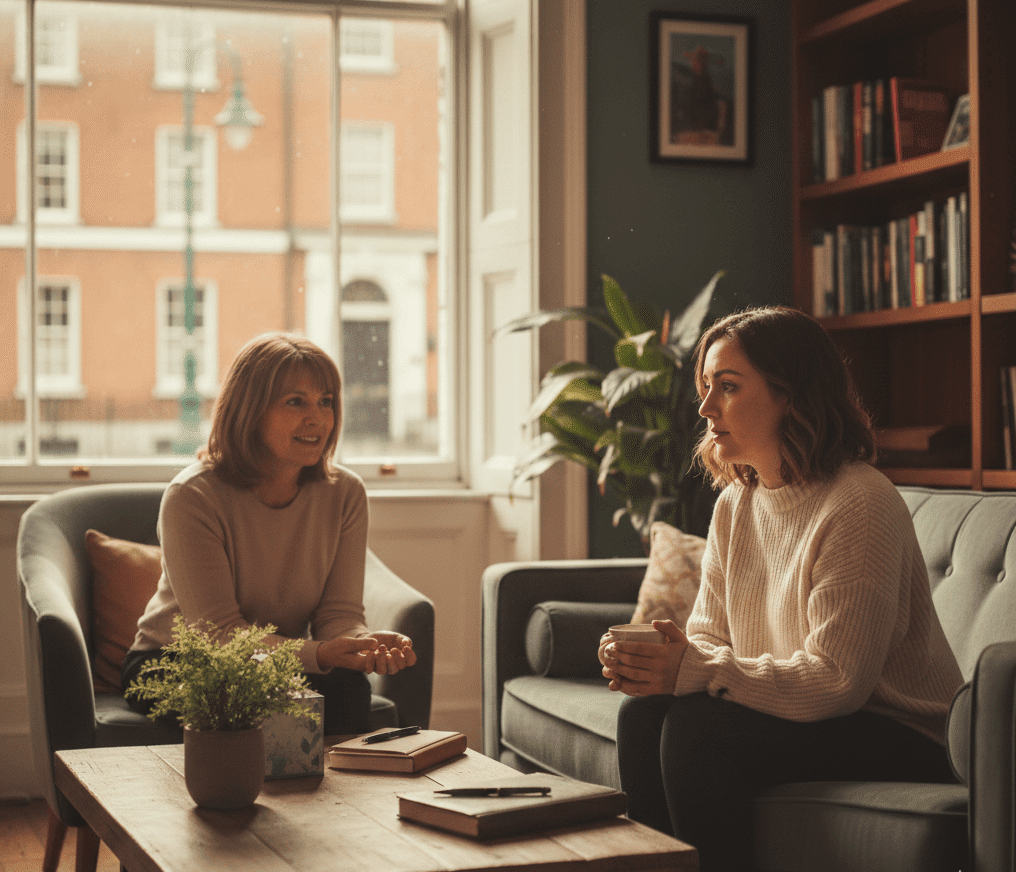
Self-esteem counselling offers a space to explore how you relate to yourself and why certain patterns keep repeating, even when you understand them logically. Rather than focusing on reassurance or surface-level advice, counselling helps you look more closely at the beliefs and assumptions that shape how you respond to challenges and setbacks.
Over time, this understanding can translate into change. You may begin to notice moments where self-criticism once took over and find yourself responding with more balance. These shifts can affect how you approach decisions, relationships, and setbacks.
Having counselling available locally can make this process feel more manageable. When support fits into your life rather than adding extra strain, it becomes easier to stay engaged with the work and allow understanding to turn into meaningful change.
Counselling does not aim to eliminate self-doubt entirely. Instead, it helps you develop a steadier inner dialogue where mistakes feel manageable and self-worth is less fragile.
What Happens in Self-Esteem Counselling Dublin Sessions?
The meetings with a counsellor are shaped around your needs and move at a pace that feels manageable. Early sessions often focus on building understanding and trust rather than fixing anything straight away. You are not expected to arrive with clear answers.
As counselling continues, you may explore experiences that influenced how you see yourself alongside present-day situations that trigger self-doubt. This process is collaborative and designed to feel safe rather than overwhelming.
You may also reflect on recent interactions or decisions and begin to recognise patterns in how you respond to yourself. Over time, this awareness can open up new ways of responding that feel more supportive.
Progress is often subtle. It may show up as feeling more grounded after a difficult conversation or noticing that setbacks no longer define how you see yourself.
How Long Does It Take to See Change Through Counselling?
Change does not follow a fixed timeline. Some people notice early shifts in awareness or self-compassion, while deeper changes develop more gradually.
Progress depends on factors such as how long low self-esteem has been present and what else is happening in your life. Importantly, change does not mean feeling confident all the time. It often shows up as responding more kindly to setbacks or feeling less controlled by self-doubt.

How to Know If You’re Ready for Self-Esteem Counselling
You do not need to feel confident or certain to begin seeing a counsellor. Many people start while feeling unsure or hesitant. Readiness often shows up as recognising that something is not working and wanting support rather than continuing to cope alone.
If low self-esteem is affecting your wellbeing or relationships, counselling may help even if you cannot clearly explain why. Wanting things to feel different is enough. Counselling meets you where you are.
In conclusion, low self-esteem is not a personal failing, and it is not something you have to live with forever. It develops through experience, and with understanding and support, it can change. Counselling offers space to explore your inner world with care and guidance, helping you build a more balanced relationship with yourself.
If self-doubt has been quietly shaping your life, reaching out for support could be the first step towards feeling more grounded and confident in who you are.
Are you ready to explore how self-esteem counselling Dublin services can help you build confidence and self-trust? Taking that first step can open the door to lasting change and a healthier relationship with yourself. You can contact us on 015240708 or click here to book a session.