
Compassionate Support to Help You Feel Safe and in Control Again
Trauma counselling in Dublin helps individuals safely process distressing experiences, reduce emotional overwhelm, and develop healthy coping strategies. With professional support, you can regain confidence, restore emotional balance, and begin to feel safer in daily life.
Experiencing trauma can affect how you think, feel, and respond to the world around you. You may feel constantly alert, emotionally exhausted, or unsure why certain situations trigger strong reactions.
With the right support, healing is possible — and recovery can begin at a pace that feels safe for you.
Take the first step today — support is available.
Trauma Counselling Dublin can help you if:
Support is available through:
What Is Trauma and How Can It Affect You?
Trauma is the emotional response to distressing or overwhelming experiences. These experiences can affect your sense of safety, relationships, and ability to manage stress.
Trauma does not always come from one major event. It can result from a series of experiences or situations that feel frightening, overwhelming, or unsafe.
Trauma may result from:
- Accidents or injuries
- Loss or bereavement
- Abuse or neglect
- Sudden life changes
- Medical experiences
- Violence or assault
- Childhood experiences
- Witnessing distressing events
Not everyone experiences trauma in the same way. Some people recover naturally, while others continue to feel the effects long after the event has passed.
Understanding trauma is an important first step toward recovery.
What Physical and Emotional Symptoms Can Trauma Cause?
Trauma can affect both the body and mind. You may notice changes in your emotions, behaviour, and physical wellbeing.
Common symptoms include:
- Feeling constantly anxious or on edge
- Difficulty sleeping
- Feeling emotionally numb
- Sudden mood changes
- Avoiding reminders of past experiences
- Feeling unsafe or hyper-alert
- Difficulty concentrating
- Feeling detached from others
- Experiencing intrusive memories or flashbacks
These reactions are natural responses to distressing experiences, even though they can feel frightening or confusing.
With the right support, these symptoms can become more manageable.
What Causes Trauma Responses to Develop?
Trauma responses develop when the brain and body remain in survival mode after a distressing experience. Even when danger has passed, the body may continue reacting as though threat is still present.
Understanding what contributes to trauma responses can help reduce fear and support recovery.
How Can Sudden or Distressing Events Trigger Trauma?
Trauma is often linked to experiences that feel overwhelming or unsafe. These events may happen once or repeatedly over time.
Examples include:
- Serious accidents
- Physical or emotional harm
- Sudden loss
- Exposure to violence
- Medical emergencies
- Childhood adversity
Events that involve fear, helplessness, or lack of control are particularly likely to leave lasting emotional effects.
Recognising the impact of these events can help make sense of ongoing symptoms.
How Do Emotional and Psychological Factors Contribute to Trauma?
Trauma affects how the brain processes memories and emotions. Certain thoughts and reactions can make recovery feel more difficult.
Examples include:
- Feeling constantly unsafe
- Blaming yourself for past events
- Expecting danger in safe situations
- Feeling unable to trust others
- Avoiding reminders of the past
Understanding these responses can help you begin to rebuild confidence and emotional stability.
How Do Biological Responses Affect Trauma Symptoms?
Trauma activates the body’s survival response — often known as fight, flight, or freeze.
When the brain senses danger, it releases chemicals that prepare the body to react quickly. After trauma, this response may remain active even when there is no immediate threat.
Your body may stay alert, tense, or reactive. Learning how your nervous system responds to trauma can help you feel more in control of your reactions.
When Do Trauma Symptoms Become Overwhelming?
Trauma symptoms can become overwhelming when they begin to interfere with daily life, relationships, or your sense of safety.
You may feel:
- Unable to relax
- Constantly alert or watchful
- Easily startled
- Emotionally numb
- Unable to trust others
- Fearful in everyday situations
Some people also experience:
- Flashbacks
- Nightmares
- Sudden emotional reactions
- Avoidance behaviours
Although these symptoms can feel frightening, they are understandable responses to trauma — and they can improve with the right support.
Counselling helps break the cycle of fear and avoidance.
How Can Trauma Counselling Help You Recover?
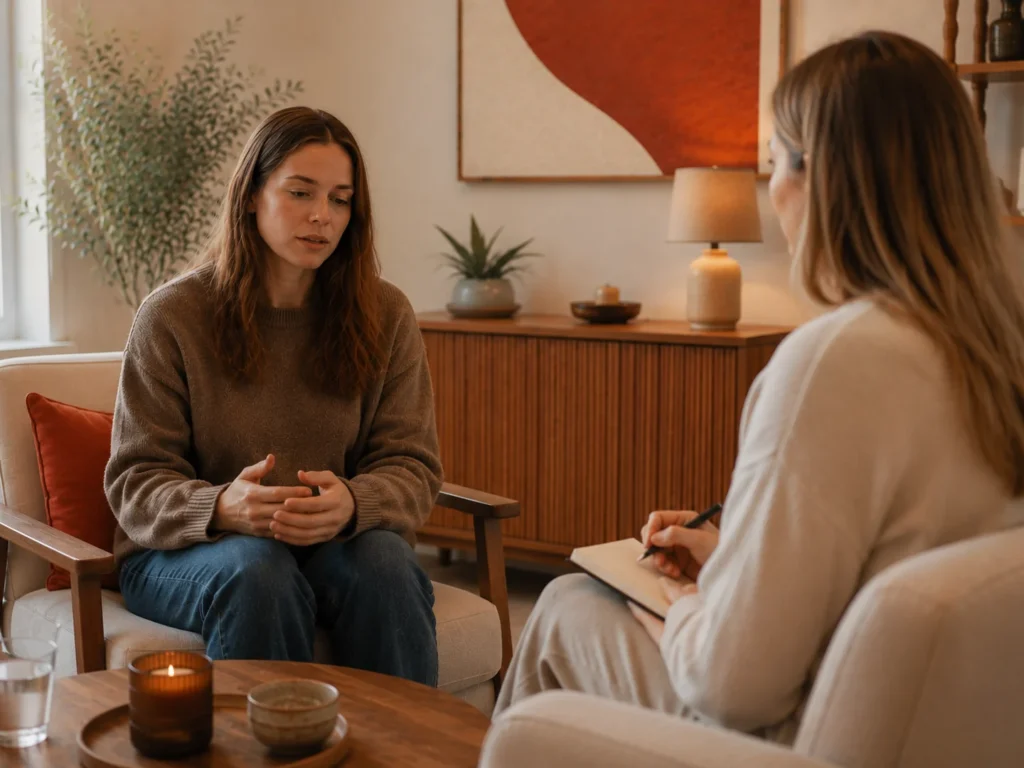
Trauma counselling provides a safe and supportive environment where you can begin to process difficult experiences and rebuild emotional strength.
When working with a counsellor, you can learn:
- How Can Understanding Trauma Reduce Fear?
You will learn how trauma affects the brain and body. Understanding these reactions can reduce fear around symptoms and help you feel more in control.
- How Can Processing Experiences Support Healing?
Counselling provides a safe space to explore memories and experiences at your own pace. This helps reduce emotional overwhelm and supports recovery.
- How Can Coping Skills Improve Emotional Stability?
You will learn practical techniques to manage anxiety, stress, and emotional triggers more effectively.
- How Can Relaxation Techniques Support Recovery?
Relaxation strategies help calm the nervous system and reduce physical tension linked to trauma.
- How Can Rebuilding Confidence Improve Daily Life?
Gradual exposure and supportive guidance can help rebuild confidence and reduce avoidance behaviours.
Over time, many people begin to feel calmer, safer, and more able to engage fully in everyday life.
Should You Choose In-Person or Online Trauma Counselling in Dublin or Ireland?
You can choose the format that best suits your comfort level and daily routine.
How Does In-Person Trauma Counselling in Dublin Work?
Face-to-face sessions provide a safe and supportive space where you can speak openly with a trained counsellor. Many people value the sense of connection and structure that comes with attending sessions in person.
Sessions take place in a confidential setting designed to help you feel secure and supported.
How Does Online Trauma Counselling Across Ireland Work?
Online counselling allows you to attend sessions from home or another comfortable location. This option offers flexibility and can feel less intimidating for some individuals.
Online sessions are particularly helpful if:
- Travel feels difficult
- You live outside Dublin
- Your schedule is busy
- You prefer speaking from home
Both formats provide confidential and professional support.
Still Unsure Which Option Is Right for You?
You don’t have to figure it out alone. We can help you decide whether in-person or online counselling is the best fit for your situation.
Why Choose Access Counselling for Trauma Counselling in Dublin?
Choosing support after trauma is an important step. At Access Counselling, the focus is on providing compassionate, professional care tailored to your individual needs.
You can expect:
- Qualified and experienced counsellors
- Confidential and respectful sessions
- Affordable counselling options
- Flexible appointment times
- Supportive, non-judgemental environment
- In-person Dublin sessions and online sessions across Ireland
Every recovery journey is unique. Counselling provides a safe space where healing can begin at your own pace.