

Most couples don’t wake up one morning and decide their relationship is in trouble. More often, the signs appear slowly. A conversation that once felt easy becomes tense. A familiar disagreement repeats itself again. You start to feel close one week and disconnected the next. These moments are small on their own, yet over time they can become patterns that create emotional distance.
If you’ve been questioning where your relationship is headed, you’re not alone. Many couples in Dublin face pressure from long working hours, childcare responsibilities, rising living costs, and the fast pace of city life. All of these factors can strain even the strongest relationships. A marriage counsellor in Dublin can help you understand what is happening beneath the surface and support you in repairing or strengthening your bond. Often, the biggest challenge is recognising the right moment to reach out.
What Does a Marriage Counsellor in Dublin Actually Do?
A marriage counsellor or therapist provides a neutral space where you and your partner can talk openly about what has been happening. Their role is not to take sides, but to help both partners feel heard. Counsellors guide conversations so you can express concerns and understand each other more clearly.
Additionally, a therapist can help you work through challenges without the pressure of winning or losing an argument. This becomes especially helpful when conversations at home feel stuck. A counsellor can highlight patterns neither of you noticed, teach communication skills you can rely on, and create room for honesty without conflict.
Couples often discover that they are struggling not because they don’t care, but because they’ve been carrying unspoken worries or assumptions. Marriage therapy helps you move towards clarity, connection, and healthier ways of relating to each other.
What Are the Early Signs You Should See a Marriage Counsellor in Dublin?
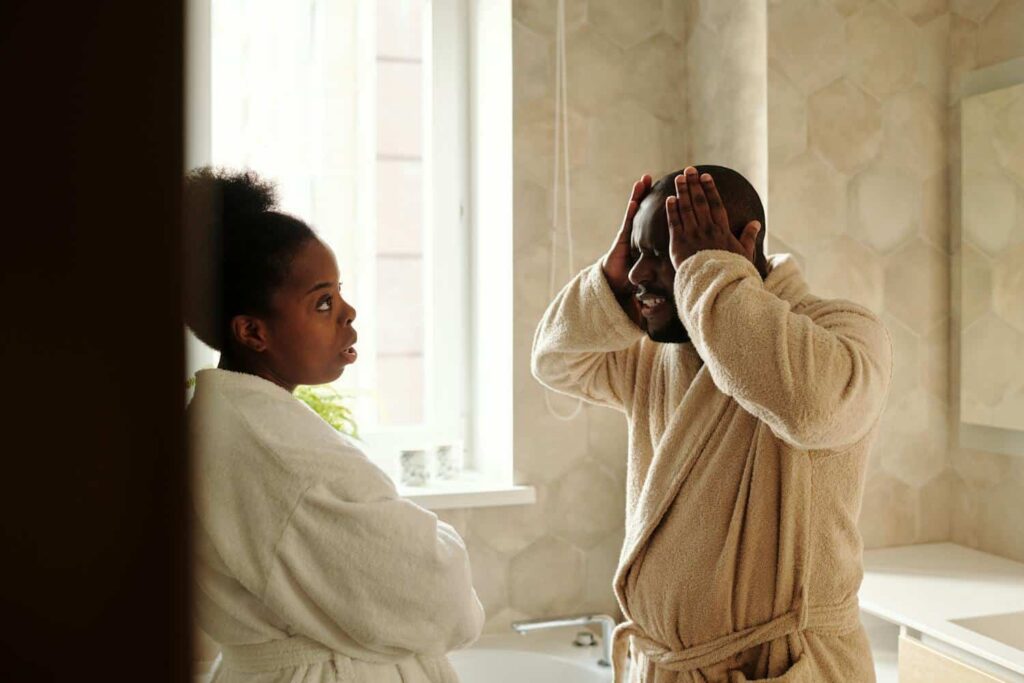
You may want to consider seeing a marriage therapist when you notice subtle shifts in how you relate to each other. These can include frequent misunderstandings or conversations that feel shorter and more strained than they used to be. Early signs are not always dramatic, but they often signal that something important needs attention.
When Small Changes Start to Feel Bigger
Early signs often begin with moments that seem insignificant. One of you may stop sharing daily details, laughter becomes less frequent, or affection feels more routine than warm. These little changes are easy to dismiss, especially during stressful periods, but they can gradually shape how connected you feel.
When Communication Feels More Strained Than Usual
Communication problems are often among the first indicators that something needs support. You might notice that attempts to talk end in frustration or that simple misunderstandings feel heavier than before. Even when you’re trying your best, a deeper disconnection can make ordinary conversations more difficult.
When Daily Life Takes Over the Relationship
In Dublin, it’s common for long commutes, busy jobs, or childcare responsibilities to put pressure on a relationship. You may feel more like roommates managing tasks than partners sharing life together. This shift can quietly diminish intimacy and emotional closeness. Counselling at this stage can help you reconnect before these habits become entrenched.
When the Same Disagreements Keep Returning
Some couples also find themselves revisiting the same minor disagreements without resolution. These repeated patterns often point to deeper needs or feelings that aren’t being expressed. A counsellor can help uncover what is really happening beneath these recurring frustrations. Seeking support early makes the process smoother, giving both partners a chance to restore connection before resentment develops.

Can Marriage Therapy Help If You Never Argue?
Yes. Therapy can be helpful even if you rarely argue. A lack of conflict isn’t always a sign that everything is fine. In some relationships, silence replaces disagreements when one or both partners avoid difficult conversations. Over time, this can create a sense of distance that feels polite on the surface but lonely underneath.
You may notice that deeper conversations have become rare or that you no longer feel as emotionally connected as you once did. When partners stop sharing worries, fears, or hopes, communication becomes functional rather than meaningful.
Counselling offers a space to explore why this shift happened and how to bring warmth and openness back into your relationship. Many couples discover that they were avoiding conflict out of fear—fear of hurting each other, making things worse, or being misunderstood. A counsellor can help rebuild confidence in communication so you can talk openly again.
What If Only One Partner Wants Marriage Counselling?
It’s still worthwhile to start seeing a couples counsellor even if only one of you feels ready. Many people assume marriage counselling only works when both partners attend, but that’s not always the case. Individual work can help you understand your own patterns, reactions, or needs more clearly, which can create healthier dynamics at home.
Additionally, partners rarely recognise problems at the same time. One person might sense something is off, while the other believes everything is fine. This mismatch can feel frustrating, but it doesn’t have to stop you from seeking support. By taking the first step, you begin improving your communication, emotional awareness, and approach to conflict. These changes often have a positive ripple effect on the relationship. Once the hesitant partner sees progress or feels less pressured, they may become more open to joining future sessions.
How Do You Know Your Relationship Needs Urgent Support?
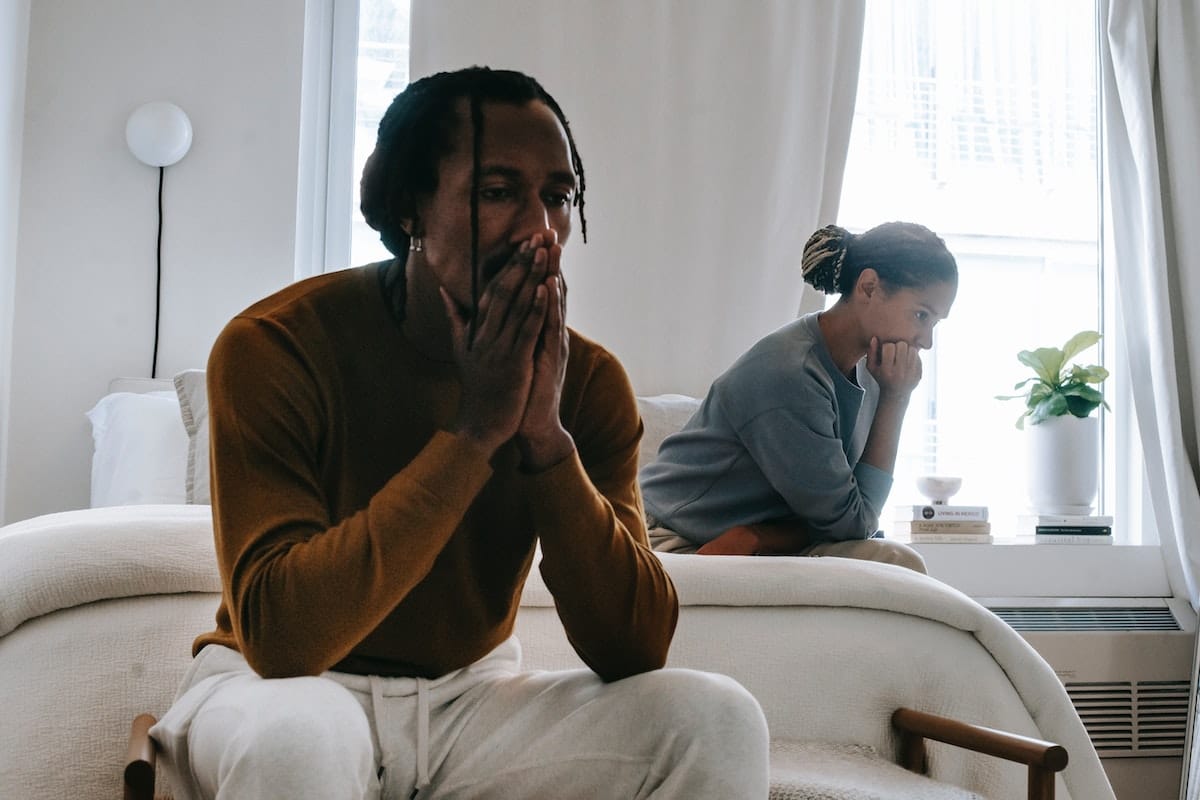
You may need more immediate support when challenges feel heavier or more persistent than usual. Urgent signs can include repeated arguments that escalate quickly, emotional withdrawal, a loss of trust, or thoughts about separating. These experiences are distressing and often bring up strong emotions that are difficult to manage without help.
When Conflict Becomes a Cycle
Arguments that loop back to the same issues over and over again are a clear signal that the problem is deeper than it appears. You might feel like every conversation ends in tension or you’re both exhausted from trying to resolve the same disagreements without success.
When Emotional Distance Feels Heavy
Some couples find that they have stopped turning to each other for support. You might feel alone even when you’re in the same room or sense that your partner is emotionally checked out. This kind of distance can feel frightening because it often hints at deeper hurt or unmet needs.
When Trust Feels Fragile
Concerns about honesty or a sense that something important is being kept back can quickly erode the foundation of a relationship. If you feel unsure whether you can rely on your partner—or vice versa—counselling can provide structure and guidance during these painful periods. Remember, trust issues are emotionally charged and often require professional help to work through safely.
When You Start Worrying About the Future
Some couples also reach out when they are afraid of where things might lead if nothing changes. Thoughts about separation or uncertainty about the future are powerful indicators that support is needed sooner rather than later. Counsellors are trained to help couples navigate these crisis moments with care and clarity, offering a steady space to understand what each partner needs.

Why Couples Often Wait Too Long to Seek Counselling
Even when the signs are clear, many couples delay getting professional help. Some hope that problems will disappear on their own. Others feel embarrassed to reach out or fear being judged. These worries can be surprisingly powerful and often keep couples stuck in uncomfortable patterns for longer than they realise.
A common reason couples wait is the belief that counselling is only for relationships in serious trouble. In reality, many couples benefit from support long before issues reach a crisis point. Counselling early on is often much easier, calmer, and more productive. It gives you tools to prevent future problems and helps strengthen your connection before things become more strained.
Life in Dublin can also make it difficult to prioritise your relationship. Long working hours, commuting, childcare, financial worries, and the general pace of city life often push relationship concerns aside. You may tell yourself you’ll address problems after a busy season or once things settle at home. But weeks or months can pass without change, and tension quietly builds.
Fear is another strong barrier. Some couples worry that talking about problems will uncover painful feelings. Others feel afraid that counselling might confirm their worst fears. But counselling doesn’t create problems. Instead, it gives couples the space to understand them honestly and gently. Most couples feel relieved after their first session because they finally have room to talk openly without pressure.

In conclusion, knowing when to seek help is one of the most meaningful steps you can take for your relationship. Small shifts in communication or connection can feel confusing, yet they often signal the need for support. Counselling offers a calm space to explore these changes, understand what is happening between you, and find clearer ways to reconnect.
When you feel unsure about the direction of your relationship, reaching out can bring clarity and a renewed sense of hope. A qualified marriage counsellor can guide you through difficult moments, help you understand each other more deeply, and support you in creating a healthier path forward. Choosing support reflects care and commitment, not failure.
Are you wondering whether it is the right time to speak with a marriage counsellor in Dublin? Take the first step toward feeling more supported and connected in your relationship. Call 015240708 to schedule your first session today.