
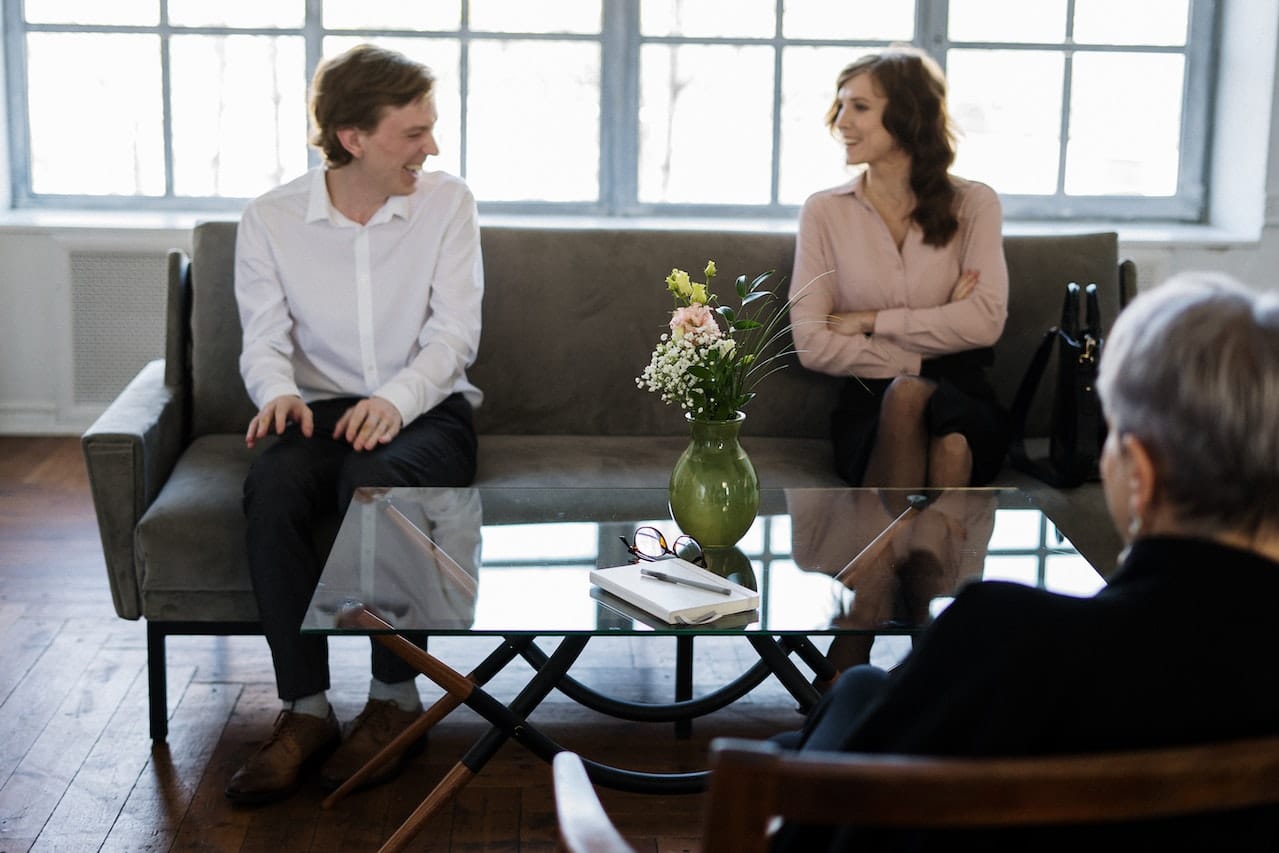
Every relationship goes through ups and downs. There are moments when everything feels effortless and others when misunderstandings and tension seem to take over. For many couples, these challenges are normal, part of learning and growing together. But sometimes, things start to feel stuck. The same arguments happen again and again, communication breaks down, and what used to feel like a partnership doesn’t feel like one anymore.
If this sounds familiar, it might be time to consider seeing a relationship therapist in Dublin. Seeking help does not mean failure. In fact, it shows strength, maturity, and a genuine desire to rebuild trust and connection. Whether you have been together for years or are in a newer relationship that’s already facing difficulties, professional guidance can make a world of difference.
Let’s explore the signs that suggest therapy could help, what to expect from a relationship therapist, and how to take that important first step toward a healthier, more connected partnership.
Why Seeing a Relationship Therapist in Dublin Can Make a Difference
Many couples hesitate to reach out for professional support. Some fear judgment, others think their issues are not serious enough, and many believe things will “sort themselves out.” Unfortunately, unresolved issues tend to grow over time, not fade away.
A relationship therapist can help you uncover what’s really behind your struggles. Often, problems on the surface such as arguments about money, intimacy, or time spent together are rooted in deeper emotional patterns. A trained therapist provides a safe space where both partners can express their feelings without interruption, blame, or defensiveness.
Therapy is not about deciding who’s right or wrong. It’s about understanding each other better, learning how to communicate more effectively, and rebuilding a sense of trust and teamwork. For couples in Dublin, where busy city life often adds stress and time pressures, having that dedicated space to reconnect can be transformative.
Sign 1: Communication Has Broken Down
Good communication is the backbone of any relationship. It’s not just about talking, but truly listening and feeling heard. When communication breaks down, small misunderstandings can quickly escalate into larger conflicts.
If you find that conversations with your partner often end in arguments, silence, or frustration, it may be time to seek professional help. A relationship therapist can teach you how to express feelings more constructively, listen without defensiveness, and respond with empathy.
Many couples come to therapy believing that they simply “can’t talk anymore.” Through guided sessions, they often rediscover that communication was never the real problem. Instead, it’s the emotional distance, assumptions, or unspoken resentment that has made talking so difficult. Therapy helps rebuild that lost bridge of understanding.
Sign 2: You’re Having the Same Arguments Over and Over
Every couple argues. But if you feel like you’re stuck in a cycle of repeating the same disagreements without resolution, it’s a sign that something deeper needs attention. You might fight about chores, finances, or family responsibilities, but the real issue often lies in unmet emotional needs or unhealed hurt.
A relationship therapist helps couples identify the root causes behind recurring conflicts. Instead of focusing on who said what, therapy focuses on why you both react the way you do and what each of you truly needs from the other.
Once those patterns are identified, you can start breaking free from the cycle. You’ll learn healthier ways to resolve tension, build compromise, and replace frustration with understanding.
Sign 3: There’s Emotional or Physical Distance
When was the last time you felt genuinely close to your partner? For many couples, one of the first signs that something is wrong is a sense of emotional distance. You might share a home, but it feels like you’re living separate lives. Conversations become brief and practical rather than affectionate or meaningful.
Physical intimacy can also be affected. It’s not just about sexual closeness, but simple gestures like hugs, holding hands, or spending time together. When affection starts to fade, resentment or loneliness can quietly take its place.
A relationship therapist in Dublin provides a space to explore why that distance has grown. Sometimes, it’s the result of unresolved hurt or stress. Other times, it stems from life changes like becoming parents or facing financial pressure. Therapy helps both partners rediscover emotional connection and rebuild intimacy through empathy, understanding, and trust.
Sign 4: One or Both Partners Are Struggling with Trust
Trust is the foundation of every strong relationship. Once it’s shaken, it can feel difficult to restore. Whether it’s due to dishonesty, infidelity, or broken promises, the loss of trust changes how partners see and interact with each other.
You may find yourself constantly questioning your partner’s words or actions. You might also notice that small things trigger suspicion or anxiety. On the other hand, if you’re the partner who broke the trust, you may feel stuck in guilt and unsure how to make things right.
Working with a relationship therapist can help both partners address the pain and rebuild trust step by step. Therapy creates a structured environment where honesty is encouraged and healing is possible. It’s not about forgetting what happened but learning how to move forward without letting the past control your future together.
Sign 5: You Feel More Like Roommates than Partners
When daily routines take over and emotional connection fades, couples often begin to feel more like roommates than romantic partners. Life becomes about managing tasks, paying bills, and meeting obligations rather than sharing joy or affection.
This shift often happens gradually, making it hard to notice until one or both partners start to feel deeply unfulfilled. A relationship therapist can help reignite the spark that once made your connection feel exciting and alive. Through guided exercises and honest dialogue, you can rediscover what brought you together and find new ways to strengthen your bond.
Therapy encourages couples to step outside their routines and intentionally nurture their relationship again. Simple changes, such as setting aside quality time or expressing appreciation more often, can rebuild the emotional foundation that may have weakened over time.
What Happens During Relationship Therapy
If you have never attended therapy before, you might wonder what to expect. Relationship counselling is a collaborative process. During your sessions, your therapist will guide you through open and structured conversations that uncover underlying issues and encourage understanding.
In the beginning, you and your partner will share your main concerns and goals. The therapist listens carefully, identifies patterns, and helps you see how those patterns affect your relationship. As sessions progress, you’ll learn practical skills such as active listening, emotional regulation, and conflict resolution.
Over time, therapy can shift how you both approach problems. Instead of reacting out of frustration, you’ll learn to pause, communicate, and empathise. Many couples in Dublin find that these new habits strengthen their bond even after therapy ends.
The Benefits of Working with a Relationship Therapist in Dublin
Choosing to work with a relationship therapist in Dublin is not just about fixing problems. It’s about creating a more fulfilling and resilient partnership. Therapy provides a neutral space where both partners feel heard and validated. It encourages honesty, compassion, and cooperation.
You’ll gain insights into your own communication style and emotional triggers, as well as your partner’s. This understanding makes it easier to approach disagreements with patience instead of defensiveness. Couples who invest in therapy often report feeling closer, more connected, and better equipped to handle future challenges together.
Therapy also benefits couples who are not in crisis but want to strengthen their relationship proactively. Learning how to manage stress, set boundaries, and support each other’s growth can prevent small issues from becoming major conflicts later on.
When to Seek Help Early
Many couples wait until their relationship is on the verge of collapse before reaching out for help. But therapy is most effective when started early. If you’ve noticed even subtle signs of growing distance, tension, or dissatisfaction, consider scheduling a session.
Seeing a relationship therapist early allows you to address issues while they’re still manageable. It’s similar to going for a health check-up before symptoms worsen. Therapy can restore balance and connection before resentment or pain has the chance to build up.
How to Find the Right Relationship Therapist
Choosing the right therapist is an important step. Look for a licensed and experienced counsellor who specialises in relationship or couples therapy. In Dublin, there are many qualified professionals, including those at Access Counselling Clinic, who provide a supportive and confidential environment for couples seeking guidance.
A good therapist should make both partners feel comfortable and respected. During your initial consultation, you can ask about their approach, experience, and how they tailor therapy to your specific needs. Building trust with your therapist is essential for making progress together.
Taking the First Step Toward Healing
Admitting that your relationship needs help can feel intimidating, but it’s also incredibly empowering. By reaching out to a relationship therapist in Dublin, you are choosing to prioritise your relationship and emotional wellbeing.
The first session is simply a conversation, a chance to talk openly about what’s been happening and what you hope to achieve. From there, you’ll begin the process of healing, learning, and rebuilding together.
Reconnect, Rebuild, and Renew
Every relationship faces challenges, but you don’t have to face them alone. Whether communication has broken down, trust has been shaken, or emotional distance has grown, help is available.
Working with a relationship therapist can help you understand each other on a deeper level and find new ways to connect. Therapy is not about pointing fingers; it’s about finding common ground, restoring compassion, and building a stronger foundation for the future.
So if your relationship feels stuck or strained, take that brave first step. Healing begins with one conversation, and with the right guidance, you and your partner can rediscover the love and connection that brought you together in the first place.
Are you looking for a relationship therapist in Dublin? Do you need relationship counselling services? Our team is available to answer your queries. Please call us at 015240708 or click here to reach us today!