

Deciding to meet a relationship therapist can feel daunting. For many couples, even taking that first step means admitting that things are not working as smoothly as they would like. There may be worries about being judged, fears of conflict being exposed, or simply uncertainty about what the process involves. These feelings are natural, especially if you have never worked with a therapist before.
Meeting a relationship counsellor is not about blame or pointing out who is right or wrong. It is about creating a safe, neutral space where both partners can speak openly and feel heard. The goal is to help you communicate more clearly, reduce unnecessary conflict, and find healthier ways to reconnect. In Dublin, where busy schedules and day-to-day pressures often strain relationships, having professional guidance can be the difference between remaining stuck in the same patterns and moving forward together with greater understanding.
What Does a Relationship Therapist Do?
A relationship therapist is trained to help couples explore the patterns that influence their connection. This may involve looking at how communication works between you, how conflicts arise and escalate, or how underlying emotions and expectations shape the way you respond to one another. Unlike a friend or family member, a therapist provides a professional and neutral perspective.
It is also important to distinguish between individual counselling and relationship therapy. Individual counselling focuses on one person’s emotional wellbeing, exploring issues such as anxiety, grief, or self-esteem. In contrast, relationship therapy involves two people working together with the therapist to address shared challenges. While individual sessions may still occur if necessary, the emphasis remains on the dynamics between both partners and how they interact with one another.
A skilled relationship therapist also balances emotional support with practical strategies. They listen with empathy, validating the feelings of both partners. But they also introduce tools and techniques to help you make real changes in how you relate. This balance of understanding and action is what makes therapy effective in moving couples forward.

What Happens at Your First Couples Therapy Session?
The first session with a relationship therapist in Dublin is often more about orientation than problem-solving. The therapist will usually begin by explaining how sessions are structured, outlining confidentiality, and setting expectations for how the process will unfold. This stage helps to build trust and reduce the anxiety that many couples feel when walking into the room for the first time.
You can expect questions about what brought you to therapy, what you hope to achieve, and how you currently see your relationship. These discussions may feel personal, but they are designed to ensure that the therapist understands both partners’ perspectives.
Some therapists may also introduce practical exercises, such as asking each partner to reflect on recent arguments or to identify what they feel is working well in the relationship. Others may encourage you to take note of communication patterns at home between sessions, which helps bring greater awareness into the process. While the first meeting will not resolve everything, it establishes a clear foundation for the work ahead.
Why Your Counsellor Explores Your Relationship History and Challenges
One of the reasons many people feel nervous about therapy is the thought of discussing the past. A relationship therapist may ask about how you met, how your relationship has evolved, and what key events have shaped your connection. This is not about placing blame for past choices but about understanding how those experiences influence your present challenges.
Current issues will also be explored, such as recurring arguments, feelings of distance, or struggles with trust. Typical questions might include, “How do you usually resolve arguments?” or “What was your family’s approach to conflict growing up?” These questions are designed to uncover patterns and deepen your awareness of why certain dynamics occur.
By combining your history with your present circumstances, the therapist can identify the deeper patterns that need to be addressed. This holistic view allows therapy to be tailored to your unique situation, rather than offering a one-size-fits-all approach.
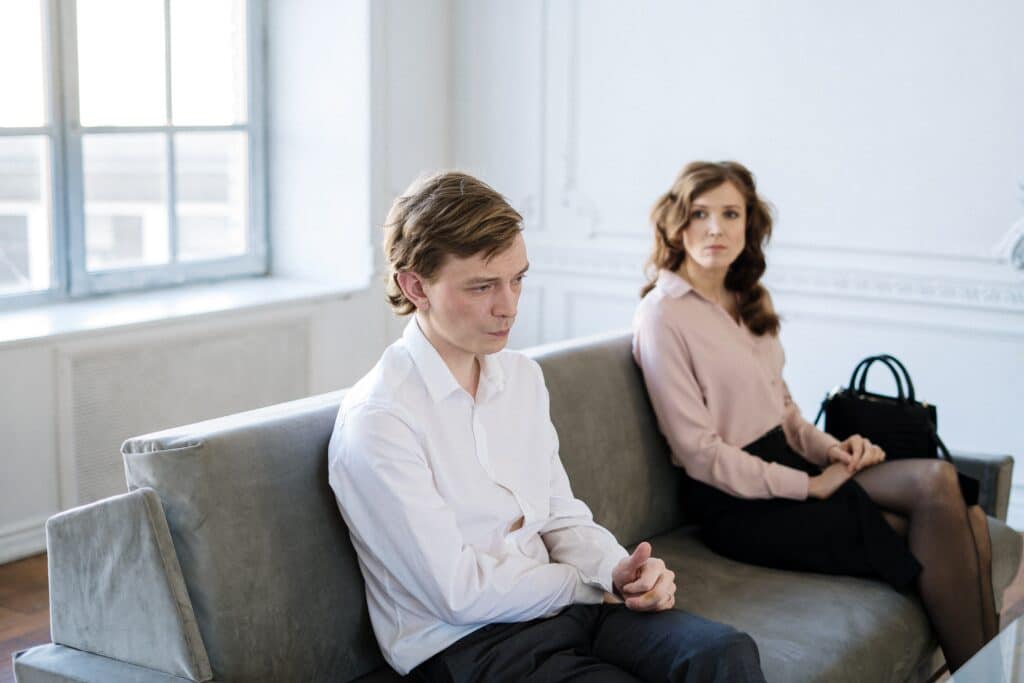
Do Relationship Counsellors Take Sides?
A common concern is whether a relationship counsellor will align with one partner over the other. The reality is that therapy is built on neutrality. A professional therapist is trained to avoid taking sides, ensuring that each person feels heard and validated. Sessions are designed to balance the perspectives of both partners, even if one tends to speak more or has stronger emotions in the moment.
The focus is not on deciding who is right and who is wrong, but on creating a collaborative environment where both voices matter. This balanced approach encourages fairness and helps couples move away from blame and defensiveness. The therapist’s role is to act as a mediator who guides the conversation in a constructive direction.
What Techniques Will a Dublin Relationship Therapist Use?
Relationship therapists use a variety of approaches depending on the couple’s needs. Some sessions may involve practising communication techniques that make conversations less confrontational. Others might focus on conflict resolution strategies, helping you to slow down heated arguments and work towards compromise.
Cognitive-behavioural methods are often used to highlight how thoughts influence emotions and behaviours within the relationship. Emotionally focused therapy may be introduced to deepen understanding of underlying feelings and attachment needs. Solution-focused approaches, mindfulness-based practices, and even role-playing scenarios may also be used to encourage new ways of interacting.
Basically, many therapists in Dublin combine different approaches. They adapt their style to suit the unique challenges of each couple. This flexibility is one of the strengths of working with a trained professional.

How Many Sessions Does Couples Therapy Usually Take?
There is no fixed number of sessions for relationship therapy. Some couples find that a few meetings are enough to gain new insights and improve their communication. Meanwhile, others may require several months of regular sessions to work through more deeply rooted issues.
The frequency of therapy also depends on your goals, availability, and how committed you both are to applying what you learn outside of sessions. In Dublin, many couples begin with weekly appointments before moving to less frequent check-ins as progress becomes more stable.
The important thing to remember is that therapy is not a quick fix but a process. Change takes time, and each couple’s journey will look different. Your therapist will work with you to set realistic expectations and adjust the plan as needed.
How to Overcome Hesitations About Relationship Counselling?
Despite the potential benefits, many couples hesitate to begin therapy. Some worry about stigma, fearing that needing outside help is a sign of weakness.
In Ireland, attitudes towards therapy have improved significantly in recent years, but there can still be cultural hesitation about opening up to a professional. For some couples, the idea of discussing private struggles in front of a stranger may feel overwhelming at first.
Practical concerns also hold many people back. In Dublin, busy work schedules, long commutes, and family responsibilities can make it difficult to find time for therapy. However, many therapists offer flexible scheduling, including evening or weekend sessions. Furthermore, some provide online appointments that remove the need for travel.
Additionally, cost is a concern for some. But options such as sliding-scale fees or low-cost counselling services make therapy more accessible than many people expect. Centres like Access Counselling also provide affordable sessions with qualified or trainee counsellors, giving couples the opportunity to receive professional support without financial strain.
By recognising these barriers and exploring available solutions, more couples are discovering that therapy is both realistic and worthwhile.
In conclusion, meeting a relationship therapist in Dublin may feel intimidating at first. But it is often the beginning of meaningful change. The process is designed to support both partners, encourage healthier communication, and give you the tools to break free from negative patterns. Whether your challenges feel overwhelming or relatively minor, therapy offers a structured way forward.
Do you want to stop repeating the same arguments and start moving forward together? Take the first step – talk to a qualified relationship therapist in Dublin! Call us on 015240708 to schedule your first session.
Royalty-free images supplied from Pexels as part of SEO service from 3R