
Learn New Skills and Ways of Thinking That Help You Feel Calm Again
Anxiety counselling in Dublin helps individuals understand their symptoms, manage overwhelming thoughts, and develop practical coping strategies. With the right support, you can reduce anxiety symptoms, feel more in control, and regain confidence in daily life.
Struggling with anxiety can feel exhausting and overwhelming. You may find yourself constantly worrying, feeling tense, or avoiding situations that once felt manageable. With professional support, you can begin to understand your anxiety and learn new ways to respond to it calmly and confidently.
Take the first step today — support is available.
Anxiety Counselling Dublin can help you if:
Support is available through:
What Is Anxiety and Why Do We Experience It?
Anxiety is a normal emotional response that most of us experience as part of everyday life. It can be described as an unpleasant feeling that many people recognise as feeling uptight, nervous, irritable, or wound-up.
While anxiety can sometimes feel overwhelming, it is not always harmful. In fact, anxiety exists to protect us. It helps us stay alert and respond to potential threats or challenges.
However, when anxiety becomes frequent or intense, it can begin to interfere with daily life. You may find yourself feeling constantly on edge or struggling to relax, even when there is no immediate danger.
Understanding anxiety is often the first step toward managing it effectively.
What Physical Symptoms Can Anxiety Cause?
When you are feeling anxious, your body reacts automatically. These physical symptoms are part of the body’s natural response to perceived danger.
Common physical symptoms of anxiety include:
- Increased heart rate
- Muscular tension
- Sweating
- Trembling
- Feelings of breathlessness
- Tightness in the chest
- Restlessness
- Difficulty sleeping
These symptoms can feel frightening, especially if they appear suddenly. Many people worry that physical symptoms mean something is seriously wrong. In reality, these reactions are usually part of the body’s natural stress response.
With the right support, these symptoms can be understood and managed more effectively.
What Causes Anxiety to Develop?
Anxiety can develop for many different reasons. In most cases, it is not caused by one single factor but by a combination of life experiences, thinking patterns, and biological influences.
Understanding what contributes to anxiety can help you recognise triggers and begin to manage symptoms more effectively.
How Can Life Events Trigger Anxiety?
Life changes and stressful experiences are common triggers for anxiety. These events can feel overwhelming, particularly when they involve uncertainty or high expectations.
Examples include:
- Bereavement or loss
- Relationship difficulties
- Work or academic pressures
- Starting college or a new job
- Major life transitions
- Trauma or difficult past experiences
Situations that feel unfamiliar or demanding can increase feelings of anxiety, especially when support feels limited.
Recognising how life events influence your anxiety can help identify patterns and guide effective coping strategies.
How Do Thinking Styles Contribute to Anxiety?
Sometimes, the way we think about ourselves and our experiences can increase anxiety. Certain thinking patterns can make situations feel more threatening than they really are.
Examples include:
- Expecting the worst to happen
- Overthinking situations
- Worrying about embarrassment or judgment
- Replaying past mistakes
- Feeling overly responsible for outcomes
Learning to recognise and gently challenge these thinking styles can help reduce anxiety and improve emotional balance.
How Do Biological and Evolutionary Factors Contribute to Anxiety?
Anxiety is linked to the body’s natural survival response — often known as fight, flight, or freeze.
When the brain detects danger, it releases chemicals that prepare the body to react quickly. This response is helpful in real danger, but it can become overwhelming when triggered too often.
Your biology, personality, and past experiences all influence how your body reacts to stress. Understanding this response can reduce fear around symptoms and support long-term anxiety management.
When Does Anxiety Become Overwhelming?
Sometimes anxiety becomes so intense that it begins to interfere with daily life. This is often referred to as debilitating anxiety.
You may feel:
- Unable to relax
- Constantly worried
- Afraid of losing control
- Fearful that physical symptoms indicate serious illness
- Avoidant of situations that trigger anxiety
Some people experience panic attacks, which are sudden episodes of intense fear. These can include:
- Rapid heartbeat
- Shortness of breath
- Dizziness
- Feeling detached
- Fear of losing control
Although panic attacks are frightening, they are usually short-lived. However, fear of experiencing another panic attack can create a cycle of increasing anxiety.
Counselling can help break this cycle.
How Can Counselling Help You Manage Anxiety?
Most everyday situations are not life-threatening, yet anxiety can make ordinary experiences feel overwhelming or difficult to manage.
Counselling helps you understand anxiety and develop healthier ways of thinking, responding, and coping with stress.
When working with a counsellor, you can learn:
- How Can Understanding Anxiety Reduce Fear?
You will learn why anxiety happens and how it affects your thoughts and body. Understanding anxiety often reduces fear of symptoms and helps you feel more in control.
- How Can Challenging Unhelpful Thoughts Improve Anxiety?
You will learn to recognise thinking patterns that increase anxiety and begin to see situations in a more balanced and realistic way.
- How Can Problem-Solving Skills Reduce Anxiety?
Counselling helps you develop practical strategies to manage stressful situations and feel more confident in handling challenges.
- How Can Reducing Worry Improve Daily Life?
You will learn techniques to reduce excessive worrying and regain control over your thoughts and attention.
- How Can Relaxation Techniques Support Anxiety Recovery?
You will discover ways to relax both physically and mentally, helping your body feel calmer and more settled.
- How Can Facing Avoided Situations Build Confidence?
With support, you can gradually approach situations that feel overwhelming and rebuild confidence in your ability to cope.
Over time, many people notice they feel calmer, more confident, and better able to manage situations that once caused distress.
Should You Choose In-Person or Online Anxiety Counselling in Dublin or Ireland?
You can choose the format that best suits your lifestyle, comfort level, and personal needs.
How Does In-Person Anxiety Counselling in Dublin Work?
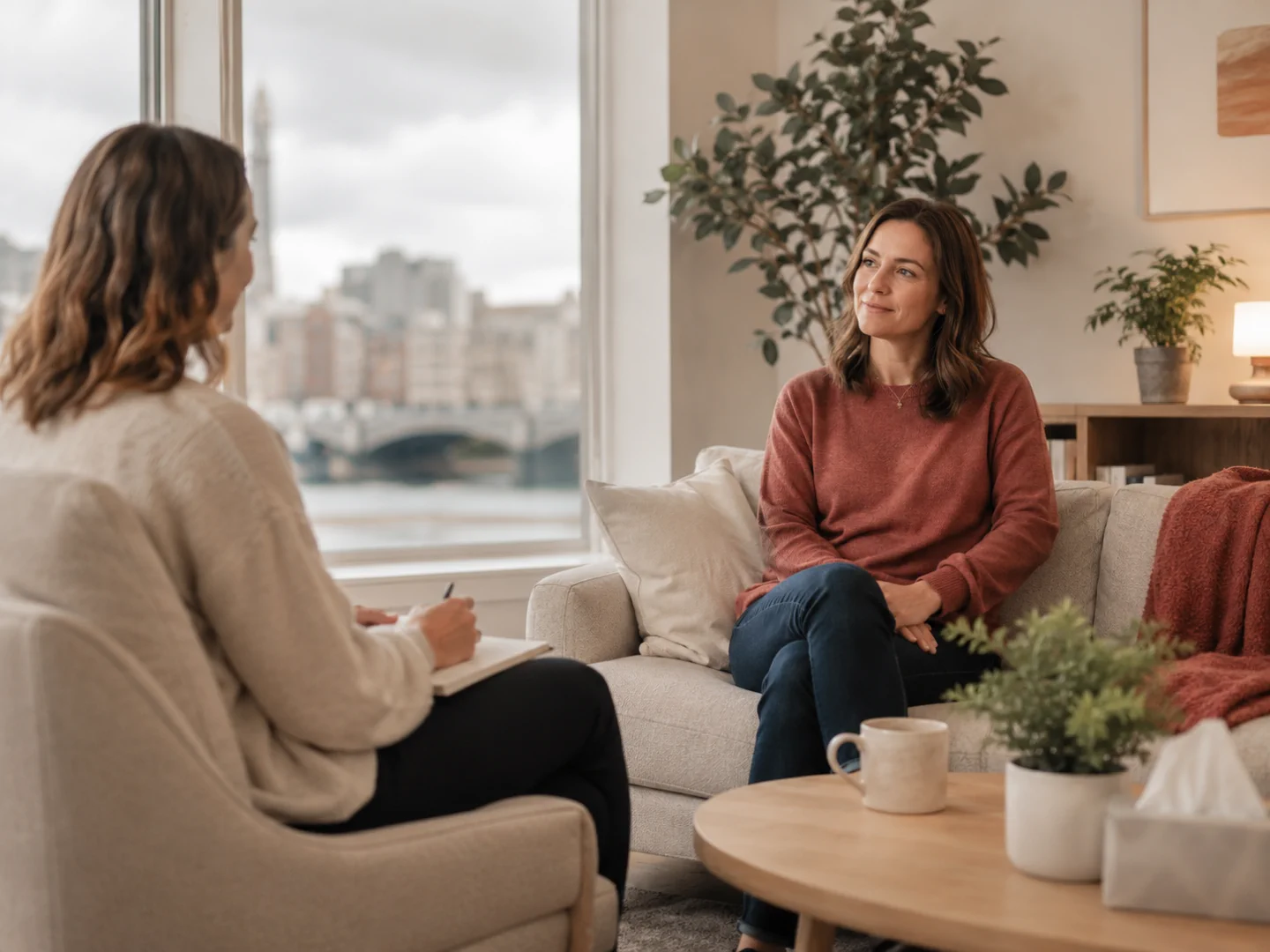
Face-to-face sessions provide a private and supportive environment where you can speak openly with a trained counsellor. Many people find in-person sessions helpful when they value direct connection and a dedicated space for reflection.
Sessions take place in a confidential and comfortable setting designed to help you feel safe, understood, and supported throughout your counselling journey.
How Does Online Anxiety Counselling Across Ireland Work?
Online counselling offers flexibility and convenience. You can attend sessions from home or another comfortable location while receiving the same professional support as in-person therapy.
This option can be especially helpful if:
- You live outside Dublin
- Travel is difficult or time-consuming
- Your schedule is busy
- You feel more comfortable speaking from your own space
Both in-person and online counselling provide confidential, compassionate care tailored to your needs.
Still Unsure Which Option Is Right for You?
You don’t have to figure it out alone. We can help you decide whether in-person or online counselling is the best fit for your situation.
Why Choose Access Counselling for Anxiety Counselling in Dublin?
Choosing the right support is an important step. At Access Counselling, the focus is on providing professional, compassionate care tailored to your needs.
You can expect:
- Qualified and experienced counsellors
- Confidential and respectful sessions
- Affordable counselling options
- Flexible appointment times
- Supportive, non-judgemental environment
- In-person Dublin sessions and online sessions across Ireland
Every person’s experience of anxiety is unique. Counselling provides a safe space where you can explore your concerns at your own pace.